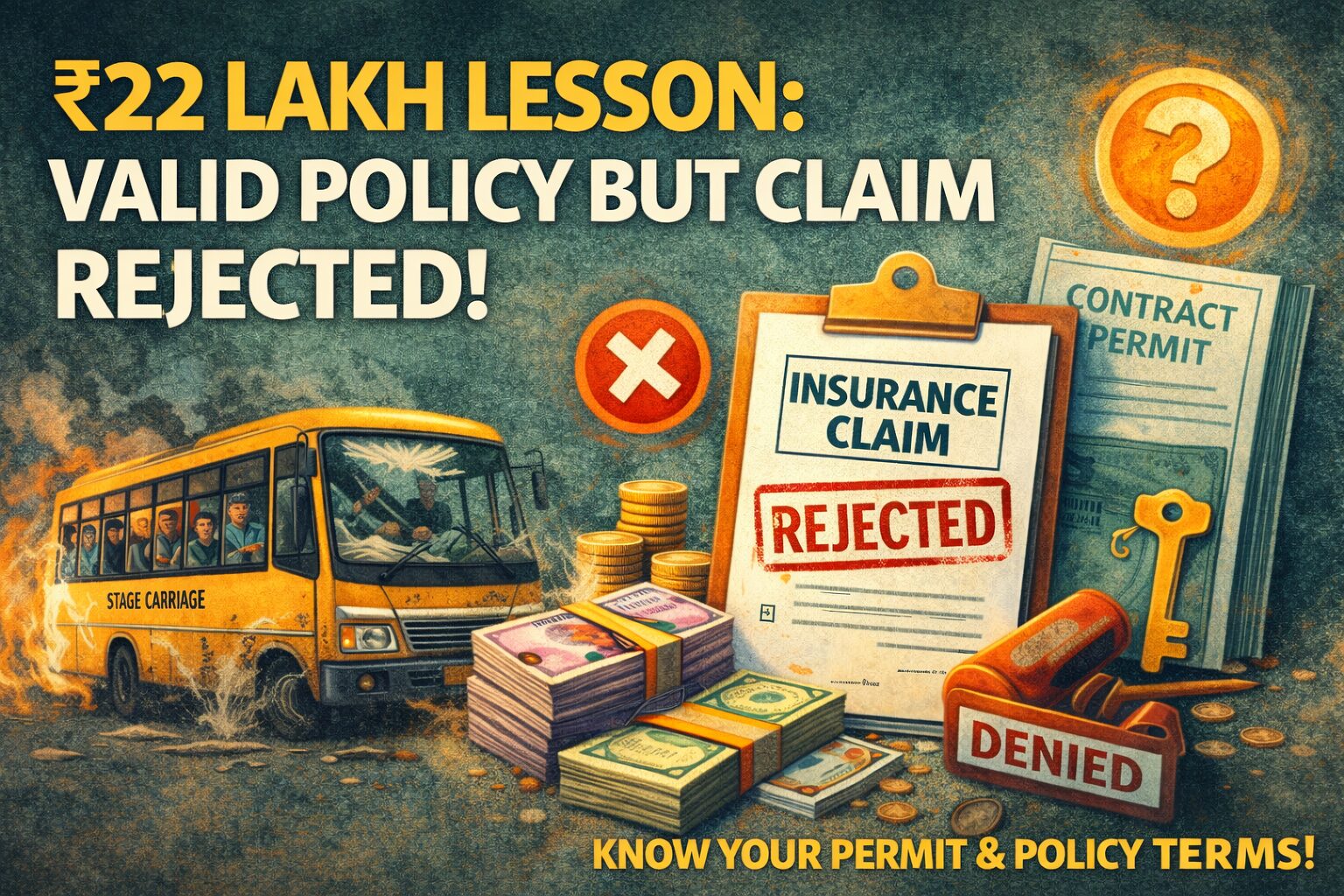



Insurance claim rejection reasons explained in simple terms. Learn the common causes and how to avoid claim denial in India.
Insurance claim rejection reasons in India often surprise policyholders because most people focus on buying a policy but not on understanding how claims are assessed. While insurers do settle a large number of genuine claims, rejections occur when policy terms, disclosures, or documentation do not align with contractual conditions.
Understanding why insurance claims get rejected is the first step toward preventing disputes and financial stress during a loss.
This article explains the most common reasons for claim rejection and practical steps policyholders can take to reduce risk.
1. Non-Disclosure or Misrepresentation of Material Facts
One of the most common insurance claim rejection reasons is non-disclosure of material facts at the time of policy purchase.
Material facts are details that influence the insurer’s decision to accept risk or determine premium. These may include:
- Pre-existing illnesses (life or health insurance)
- Previous claims history
- Nature of business operations
- Construction type of building
- Hazardous activities or storage
If such information is withheld or inaccurately declared, the insurer may repudiate the claim on grounds of misrepresentation.

How to Avoid This
Always provide complete and accurate information in the proposal form. Review declarations carefully before signing.
2. Underinsurance (Inadequate Sum Insured)
In property and fire insurance, underinsurance is a frequent cause of claim reduction or dispute.
If the sum insured is lower than the actual reconstruction or replacement value, the average clause may apply. This results in proportionate deduction even for partial losses.
For example:
| Actual Value | Sum Insured | Loss | Payable (After Average Clause) |
|---|---|---|---|
| ₹1 crore | ₹70 lakh | ₹20 lakh | ₹14 lakh |
Underinsurance does not always lead to rejection, but it significantly reduces claim settlement.
How to Avoid This
Ensure that building and machinery are insured on proper reinstatement value, not market or depreciated value.
3. Policy Exclusions
Every insurance policy contains exclusions — situations or causes not covered under the contract.
Common examples include:
- Wear and tear
- Gradual deterioration
- Intentional damage
- War or nuclear risks
- Certain types of theft without forcible entry
Claims falling strictly under exclusions may be rejected.
How to Avoid This
Read policy exclusions carefully and seek clarification before purchase. Do not assume coverage based on general understanding.
4. Delay in Intimation of Claim
Most policies require immediate or prompt notification after a loss.
Delays may raise concerns such as:
- Possibility of tampering with evidence
- Difficulty in verifying cause of loss
- Violation of policy conditions
While minor delays may be condoned, unexplained delays can lead to rejection.
How to Avoid This
Inform the insurer immediately after an incident and follow up with written communication.
5. Lack of Documentation
Incomplete documentation is another major insurance claim rejection reason.
Examples include:
- Missing invoices
- Absence of purchase records
- No stock register updates
- No medical records in health claims
- Failure to submit FIR where required
Without adequate documents, insurers may treat the claim as unsubstantiated.
How to Avoid This
Maintain organized records of assets, inventory, medical history, and financial documents.
6. Breach of Policy Conditions
Insurance contracts impose certain obligations on policyholders.
Examples include:
- Maintaining fire extinguishers
- Installing safety equipment
- Following statutory compliance
- Regular maintenance of machinery
Failure to comply may be treated as breach of warranty or condition, leading to repudiation.
How to Avoid This
Ensure compliance with safety norms and policy warranties throughout the policy period.
7. Fraudulent or Inflated Claims
If an insurer finds evidence of:
- Fabricated invoices
- Inflated loss amounts
- Staged incidents
- False statements
The claim may be rejected entirely.
Insurance operates on utmost good faith. Fraudulent intent can invalidate coverage.
How to Avoid This
Submit accurate and honest claim details. Claim only actual loss suffered.
8. Claim Outside Policy Period
If the incident occurs:
- Before policy inception, or
- After policy expiry
The claim is not admissible.
Policy period compliance is fundamental.
How to Avoid This
Track renewal dates and ensure continuous coverage.
Insurance Claim Rejection vs Claim Reduction
It is important to distinguish between:
- Claim rejection (complete denial)
- Claim reduction (partial payment due to deductible or underinsurance)
Many policyholders mistake deductions due to excess or average clause as wrongful rejection.
Understanding policy structure helps manage expectations.
What Policyholders Should Do Before a Loss Occurs
Preventive steps include:
- Annual policy review
- Correct sum insured assessment
- Clear understanding of exclusions
- Accurate disclosure
- Proper documentation maintenance
- Immediate reporting of incidents
Insurance functions effectively when policies are structured correctly and managed proactively.
Role of Consumer Courts
Indian consumer forums and commissions have repeatedly emphasized fairness in claim handling. Courts often examine:
- Whether loss is genuine
- Whether repudiation is justified
- Whether insurer relied on technical grounds
- Whether policy terms were properly explained
However, litigation can be time-consuming and costly. Prevention remains better than dispute resolution.
Conclusion
Insurance claim rejection reasons in India are usually linked to disclosure gaps, underinsurance, exclusions, documentation issues, or breach of policy conditions. While insurers have the right to deny non-compliant claims, policyholders also have strong legal protections against unfair repudiation.
The key to smooth claim settlement lies in proper policy structuring, accurate disclosures, compliance with conditions, and timely communication.
Understanding your policy before a loss occurs is the most effective way to protect yourself during claim settlement.